![]() |
| Indoor or Outdoor use |
![]() |
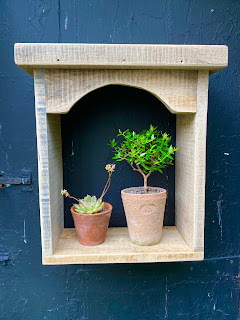
| Large Oak Plant Theatre |
![]() |
| Small Oak Plant Theatre |
![]() |
| Indoor or Outdoor use |
![]() |
| Large Oak Plant Theatre |
![]() |
| Small Oak Plant Theatre |
Posted by
gary
at
10:58 am
Labels: Baverstock Gardens, bespoke, DIY, East Sussex, garden, garden design, hastings, Ideas, plant theatre
Oak flower holders. Made from oak and recycled bottles. Either three or five bottles. For more information regarding pricing and availbilty please contact me via www.baverstockgardens.com.
Posted by
gary
at
1:29 pm
Labels: Baverstock Gardens, bespoke, containers, cut flower, East Sussex, garden design
Posted by
gary
at
1:09 pm
Labels: Baverstock Gardens, bespoke, design, East Sussex, garden design, gardening, hastings, Ideas, plant theatre
Leaf Cutter Bee in action.
Posted by
gary
at
3:29 pm
Labels: Baverstock Gardens, Climbing Rose, East Sussex, hastings
Posted by
gary
at
5:00 pm
Labels: antique, Baverstock Gardens, Decorating, design, DIY, East Sussex, plant theatre, vintage
Installing a pond on your allotment is relatively easy, looks good, encourages wildlife and can be completed within a day.
I used a preformed 140-litre plastic pond liner for my allotment.
Find a shelterd spot away from heavily used paths and in a sunny position
Place gravel and stones in the bottom of the pond.
Add water plants to help oxygenate the water and provide shade. Placing a waterlily in the pond will help keep the water clear.
Always make sure that smaller animals who may fall into the pond have an escape route. Provide stepping stones, a beach area, branches or small ramp.
For more information here's a link to the RHS page regarding wildelife ponds
https://www.rhs.org.uk/advice/profile?PID=622

Posted by
gary
at
2:30 pm
Labels: allotments, Baverstock Gardens, frogs, newts, rhs, wildlife pond
Using straw bales to make raised planting beds. I first heard of this many years ago and thought this year I'd give it a go. There's a bit of prep to do before planting as the bales need to be "seasoned" for a couple of weeks before you do. The bales will break down over time and can then be used to mulch other planting areas.
Place the bales cut side up. Soak the bales with water over several days. Add a layer of compost and some vegan/organic fertiliser.
Posted by
gary
at
3:41 pm
Labels: allotments, Baverstock Gardens, no dig, Straw bale gardening, vegan allotment